Time Back, Clearly: Telegram Agency Service Breakdown
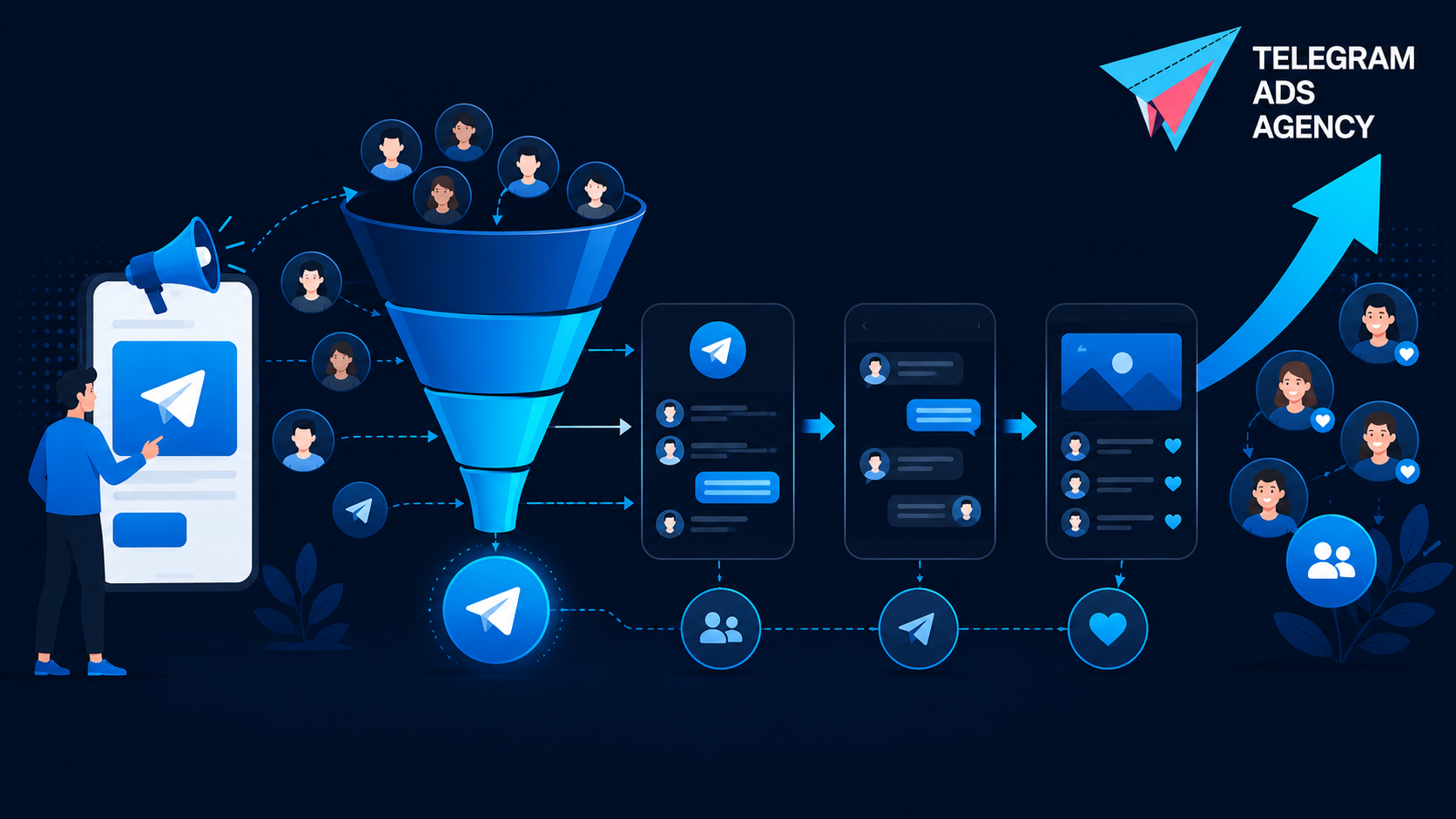
You hire a Telegram ads agency to avoid learning sponsored messages, channel scraping, and campaign mechanics yourself. Instead of spending weeks testing formats and guessing placements, the agency handles strategy, media buying, and optimization for you.
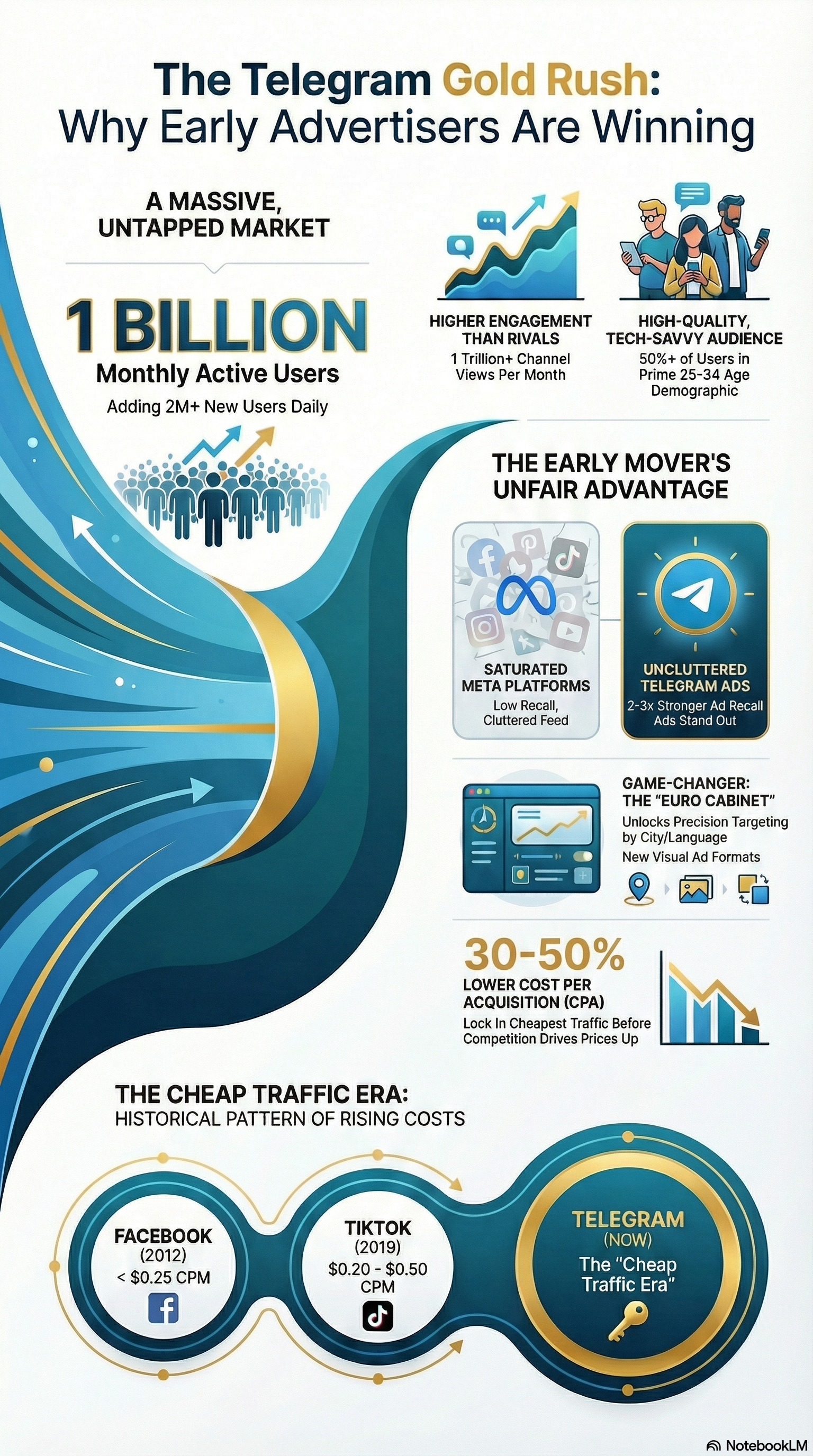
They know how Telegram’s ad system works, which channels convert, and how to stretch CPM budgets without wasted spend. With access to Telegram’s 800 million monthly users, they turn broad reach into targeted visibility that actually fits your brand goals. The result is steady traction without the daily grind of managing ads.
Keep reading to see how this service breakdown turns effort into measurable growth.
Key Takeaways
- They manage the technical execution of Telegram's official ads and manual channel promotions.
- Their value lies in hyper-targeting and continuous optimization based on real-time data.
- Pricing scales with your goals, from affordable single placements to comprehensive managed campaigns.
Core Telegram Ad Formats Agencies Handle

Most people are surprised by how simple Telegram ads look on the surface, but there’s a lot going on under the hood. Most brands prefer comprehensive Telegram ads agency management so they don’t have to juggle formats, placements, and optimization themselves.
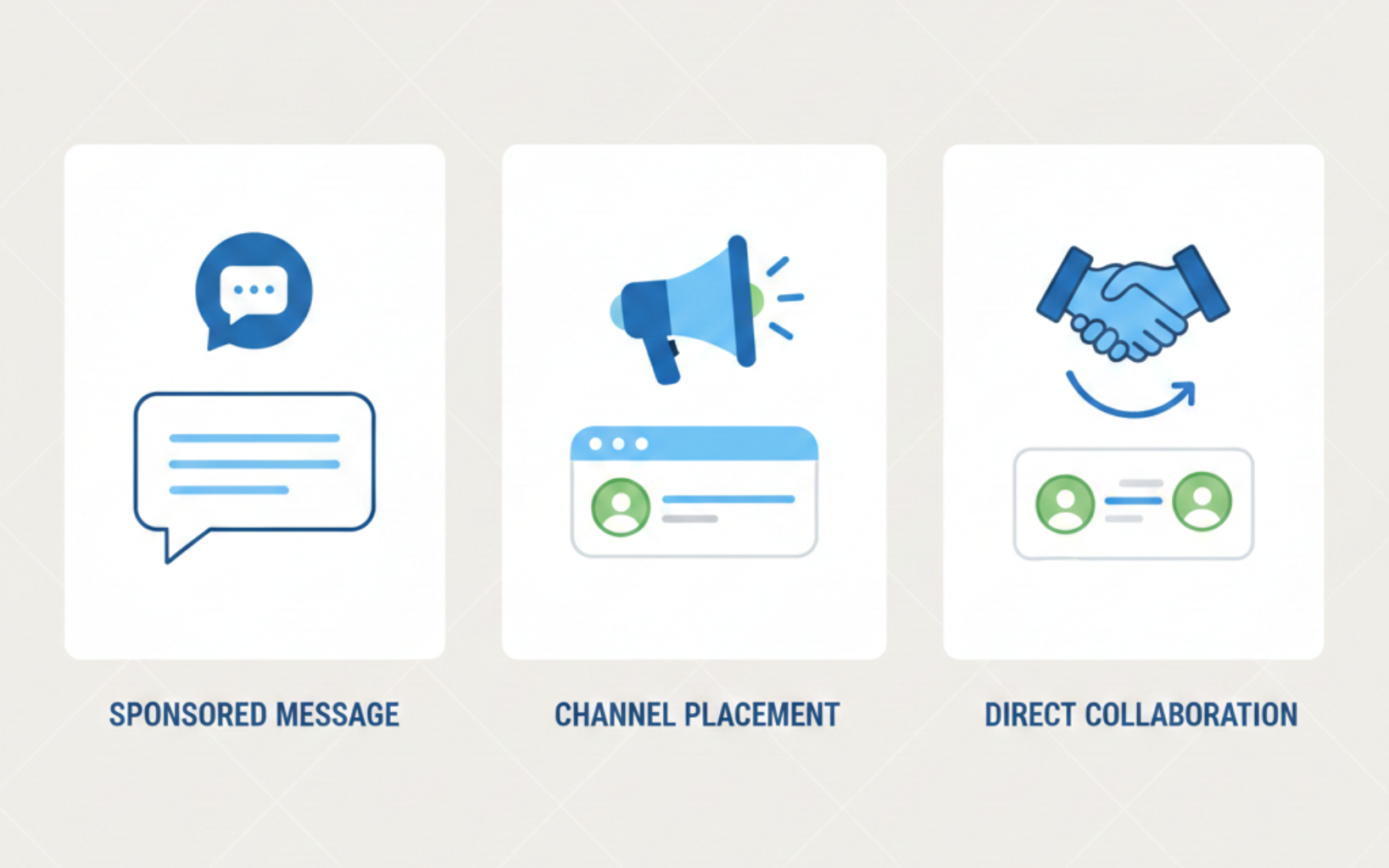
Agencies usually operate across two main tracks: the official ad system and direct work with channel owners.
On the official Telegram Ad Platform, agencies manage Sponsored Messages. These are short text ads (up to 160 characters) that show in public channels with more than 1,000 members. [1] The format is clean, no images, no complex layouts, and it fits Telegram’s privacy-first style. You can’t track website clicks directly, so performance is judged by:
- How many users join your channel
- How active they are after joining
Then there are direct channel placements, which rely more on research and relationships. Agencies look for channels that match your niche, like:
- Finance or Forex communities
- SaaS and startup channels
- Local interest or hobby groups
They talk with admins, agree on sponsored posts, pinned messages, or shoutouts, and place your promotion in front of users who already care about that topic. It’s hands-on work, but it often brings very focused, high-intent audiences.
Newer Interactive Formats and How Agencies Mix Them
Beyond text placements, Telegram now has more interactive and visual options, and agencies weave these into a full campaign. One growing area is Bot-based promotions.
Here, a user taps or messages a bot, and that action starts a guided flow, maybe a quiz, a lead capture form, or a simple promo sequence leading to your channel, product, or site.
Since the 2024 updates, Story ads for Premium users have also entered the picture. These work more like classic social media stories, useful for:
- Broad awareness at the top of the funnel
- Quick visual messages
- Reminding users about launches or offers
Most agencies don’t rely on just one format. They combine:
- Official Sponsored Messages
- Direct channel sponsorships and influencer shoutouts
- Interactive Bot ad campaigns
- Story ads for extra reach among Premium users
You share your goal, subscriber growth, leads, or awareness, and they translate it into the right mix of formats inside Telegram’s ecosystem.
How Agencies Target Very Specific Telegram Niches

On Telegram, broad targeting almost always underperforms, because the audience tends to form tight, focused groups. Agencies know this, so they don’t just aim for “crypto fans” or “tech people.” They look for real, specific clusters of users. For example, instead of “blockchain,” they might target:
- Members of a few German-language DeFi or NFT channels
- Users who interacted with a certain trading bot recently
- Subscribers to niche SaaS or automation groups
To do this, they blend Telegram’s built-in targeting with their own tools. Typical filters include:
- Location and language
- Channels a user follows
- Interests inferred from past behavior
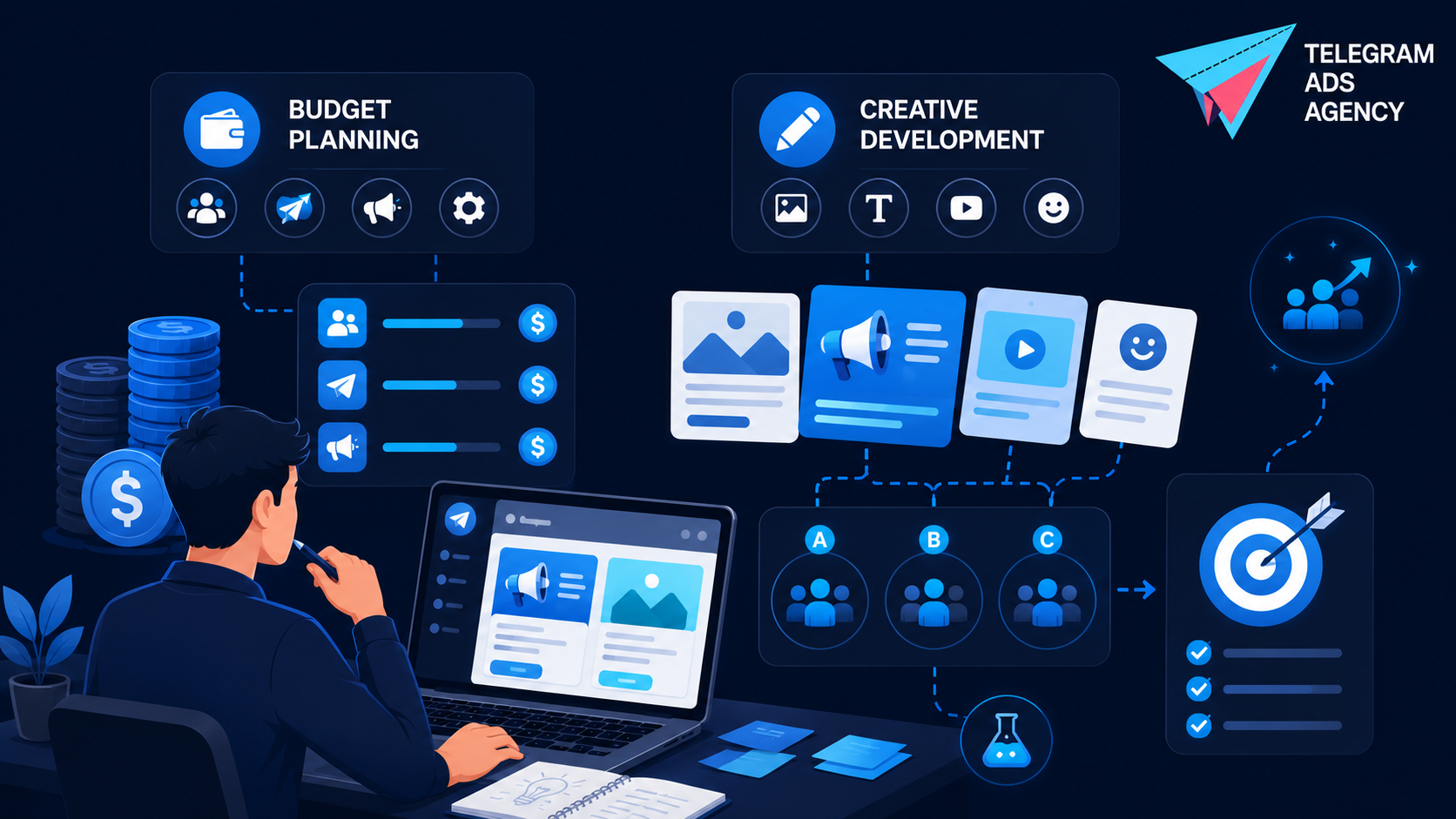
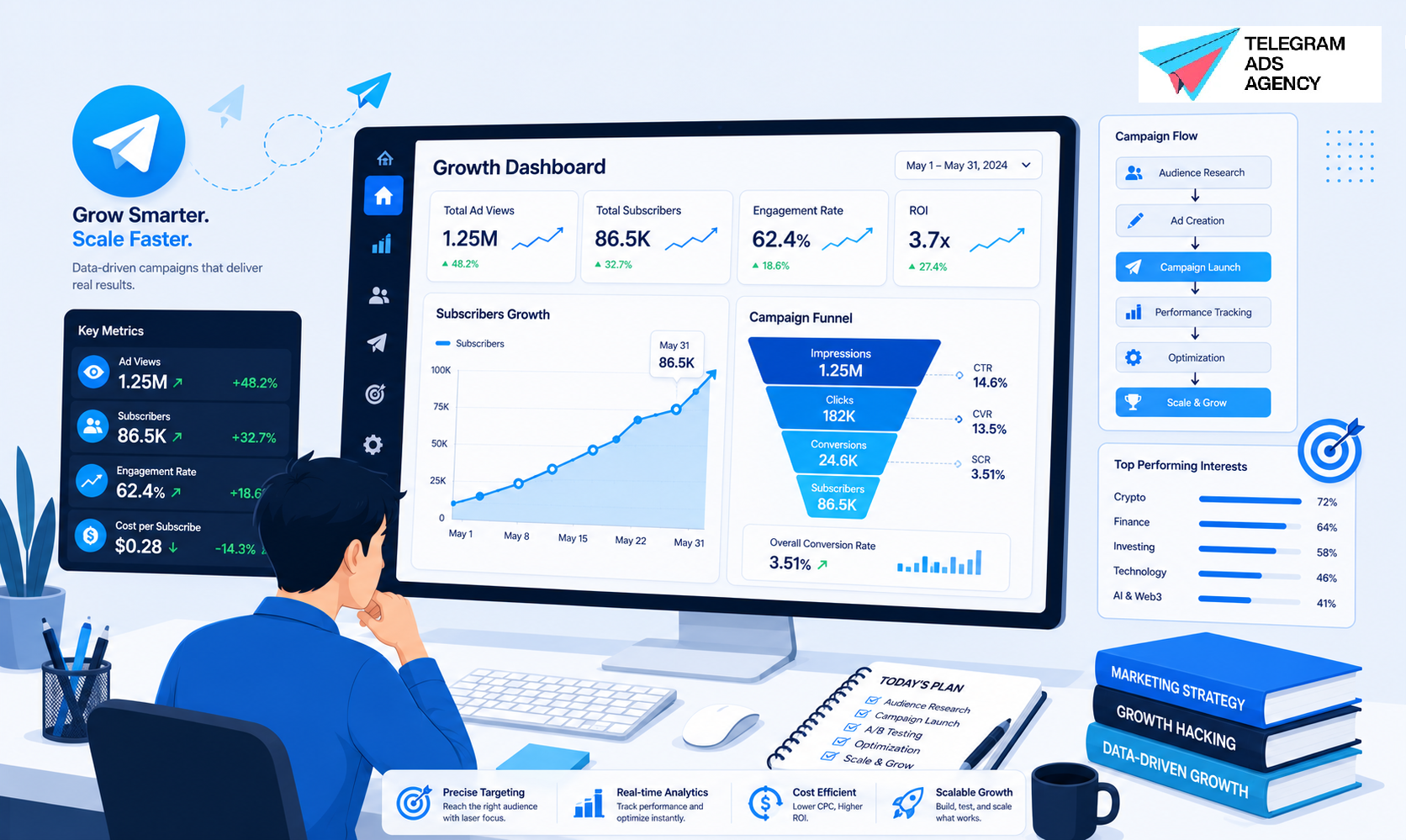
Spy tools and competitive research matter a lot here. Agencies will often watch many competing campaigns, study what kind of creatives and messages they use, and then build variations for your brand. Those versions get A/B tested, one against another, again and again. The process isn’t one-off. It’s a cycle of:
Launch → Measure → Adjust → Relaunch.
This is why managed Telegram campaigns focus on continuous testing, optimization, and budget shifts instead of one-time placements. That’s how they slowly narrow in on the exact pockets of users that respond best to your offer.
How Agencies Measure and Improve Performance
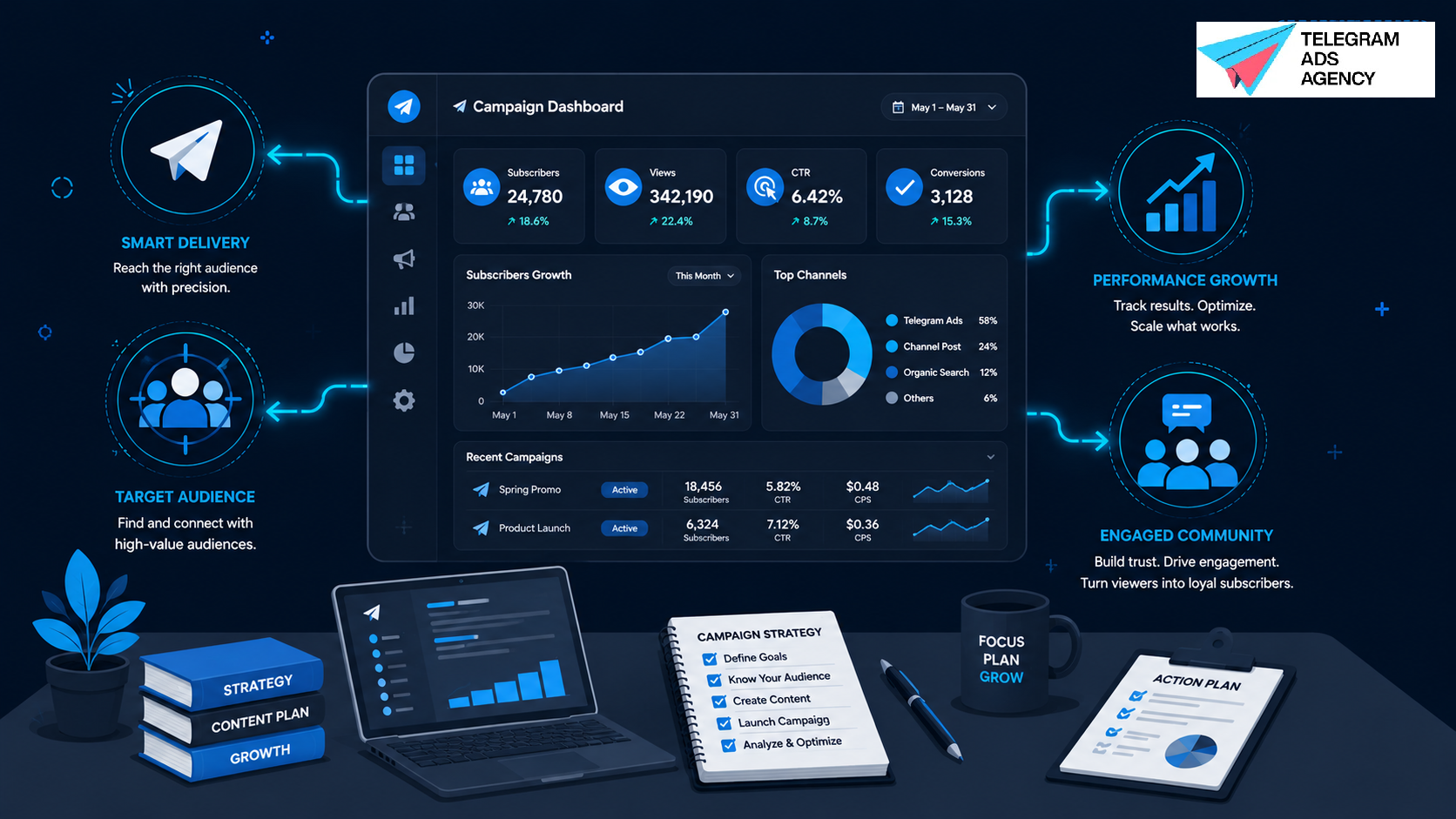
Since Telegram [2] limits external tracking, agencies have learned to rely on their own internal structure. Instead of pixels and long tracking scripts, they build systems around unique invite links and clear, simple metrics. Each placement usually gets its own link, so they can see which channel, ad, or format is bringing real results.
They usually track:
- Join rate for each placement
- Cost per joiner or per action
- Engagement inside your channel over time
Engagement can mean:
- How often new members view or react to posts
- How many tap through to a bot or form
- How long they stay active before going silent
From there, agencies tweak targeting, adjust creatives, change posting time, or shift budget to better-performing channels. The main aim is to reduce your cost per action, whether that action is:
- Joining your channel
- Filling out a lead form
- Starting a bot conversation
They keep a close eye on the analytics dashboards so you can focus on your wider marketing and product work.
The Three Main Pricing Models Used by Telegram Agencies

Sometimes pricing only feels confusing because nobody slows down to explain what you’re actually paying for. With Telegram agencies, most offers fall into a few clear buckets, and once you see the structure, it gets much easier to compare them.
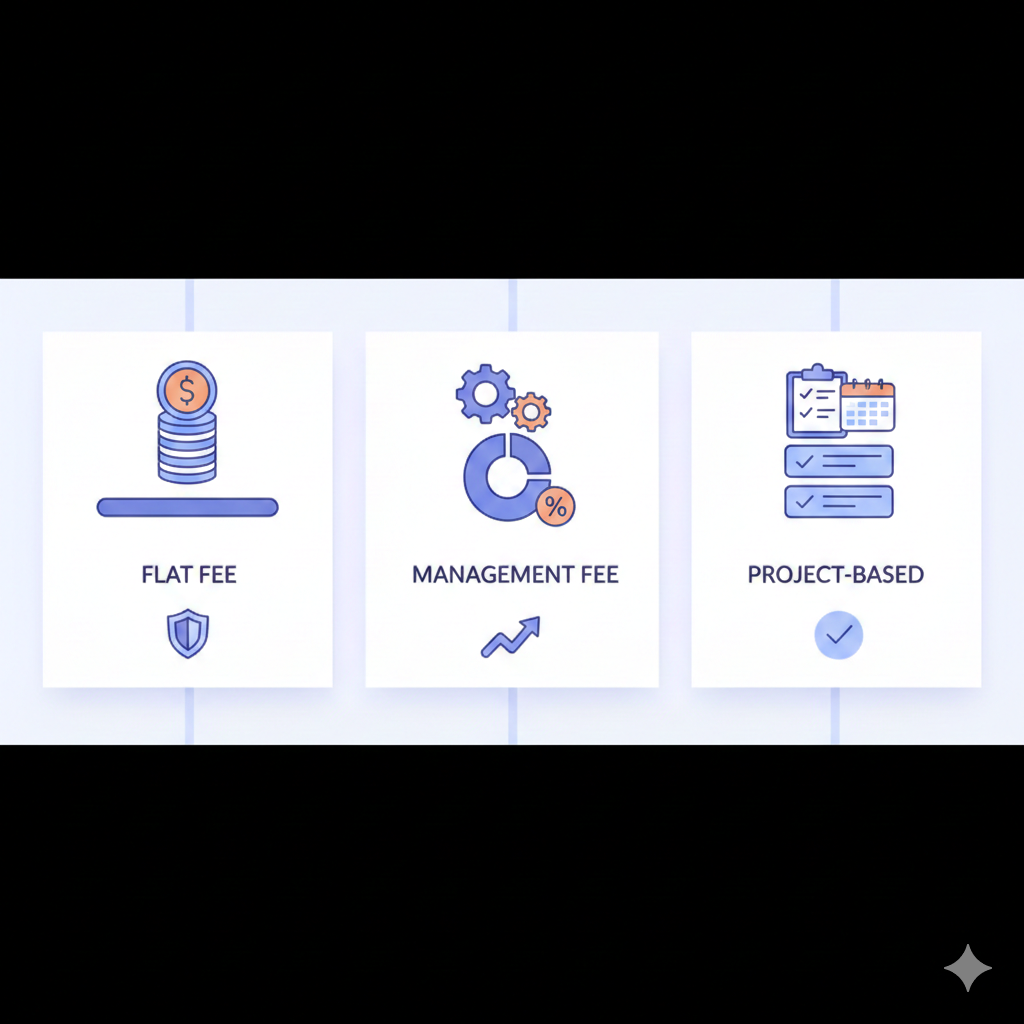
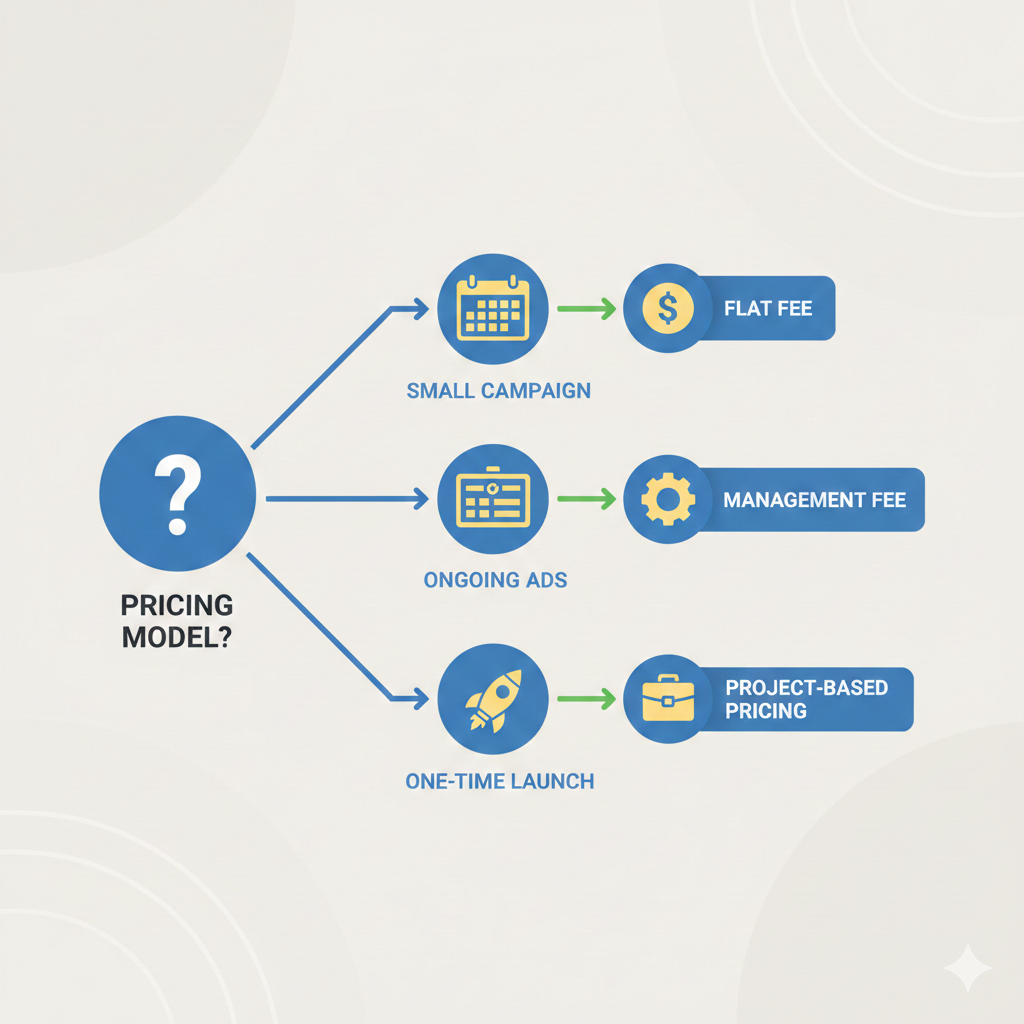
Most agencies use three core models:
- Flat fee – You pay a fixed amount for a specific service.
For example, ₹5,000–₹25,000 for a sponsored post in a targeted Telegram channel. This is popular when you:
- Want to test a new audience
- Try a one-off promo
- Work with a specific influencer or channel owner
It’s clean and predictable, so you know exactly what one placement costs.
- Management fee – The agency charges a percentage of your ad spend, usually
10%–20%.
If you spend ₹1,00,000 on ads and the fee is 15%, the agency gets ₹15,000. This covers: - Strategy and planning
- Ongoing optimization
- Regular reporting and tweaks
When your campaign grows, their fee grows too, so both sides are motivated to scale results in a healthy way.
Most brands that choose ongoing growth opt for Telegram ad management services rather than handling targeting, reporting, and optimization in-house.
When to Use Flat Fee, Management Fee, or Project-Based Pricing

For bigger, more complex goals, agencies often switch to a project or hybrid model. This is where you see a fixed premium fee, sometimes ₹50,000 or more, especially for launches in competitive spaces like crypto or finance.
That kind of project fee usually includes:
- Channel or product launch strategy
- Competitor and audience research
- Full setup of funnels, creatives, and tracking
- Initial execution and stabilization phase
Here’s a quick view of when each model fits best:
- Flat fee – Best for testing or one-off influencer-style promotions
- Management fee – Best for ongoing, scalable lead or sales campaigns
- Project fee – Best for launching a new product, offer, or Telegram channel
Most serious growth campaigns lean on the management fee model. It tends to be sustainable for both sides and keeps the agency focused on improving performance instead of just delivering a one-time placement.
FAQ
What does a telegram agency service breakdown usually include?
A telegram agency service breakdown explains how telegram advertising services are planned, managed, and reviewed. It often covers telegram ad campaigns, ad creatives telegram, ad moderation telegram, and performance tracking telegram.
It also explains how cpm telegram ads and cpc telegram advertising work, along with reporting like campaign analytics telegram and viewability metrics telegram for clear results.
How do agencies handle targeting in telegram ad campaigns?
Agencies explain audience targeting telegrams using simple options, not personal data. This includes geo targeting telegram ads, language targeting telegram, interest based targeting telegram, and competitor channel targeting.
Targeted telegram promotions may focus on tech audience telegram, crypto telegram ads, or ecommerce telegram promotion to reach high engagement telegram users through global telegram reach or localized telegram ads.
What ad formats are explained in a telegram agency service breakdown?
The breakdown lists available formats such as sponsored messages telegram, telegram premium ads, telegram story ads, video ads telegram, telegram bot ads, and group ad placements telegram.
It may also mention sponsored channels telegram, direct message ads, and channel promotion telegram, explaining where ads appear and how telegram subscriber growth or channel subscriber boost can happen.
How is performance measured and improved over time?
Agencies explain click through rate telegram, conversion tracking telegram, pixel tracking telegram, and campaign analytics telegram. They may use a/b testing telegram campaigns, roi optimization telegram, and campaign scaling telegram.
Tools like telegram spy tools support competitor analysis telegram. The focus stays on steady improvement using clear data and performance tracking telegram methods.
Can telegram ads support growth beyond paid traffic?
A breakdown often shows how paid telegram traffic connects with organic growth telegram. This can include telegram funnel setup, landing page optimization, ad copywriting telegram, retargeting telegram users, and lookalike audiences telegram.
It may also cover lead generation telegram, chatbot integration telegram, and community building telegram to support long-term channel subscriber boost beyond ads.
Making The Telegram Agency Service Work For You
Making a Telegram agency service work for you starts with clarity. When you know whether your goal is subscriber growth, qualified leads, or niche brand awareness, the service stops being a cost and starts becoming leverage. A strong agency doesn’t just run ads, it aligns formats, targeting, and spends around that single objective, then proves progress with clear metrics.
That’s why the final step isn’t rushing into a contract. It’s choosing a partner that can explain their breakdown in plain terms and map it directly to your goals. If you’re ready to turn Telegram advertising into a repeatable system instead of a manual grind, working with a specialized Telegram Ads Agency can help you reclaim time while driving focused, measurable growth.
References
- https://ads.telegram.org/guidelines
- https://en.wikipedia.org/wiki/Telegram_(software)
Related Articles
- http://www.telegramads.agency/comprehensive-telegram-ads-agency-management
- http://www.telegramads.agency/managed-telegram-campaigns
- http://www.telegramads.agency/telegram-ad-management-services