How Telegram Ad ROI Is Measured
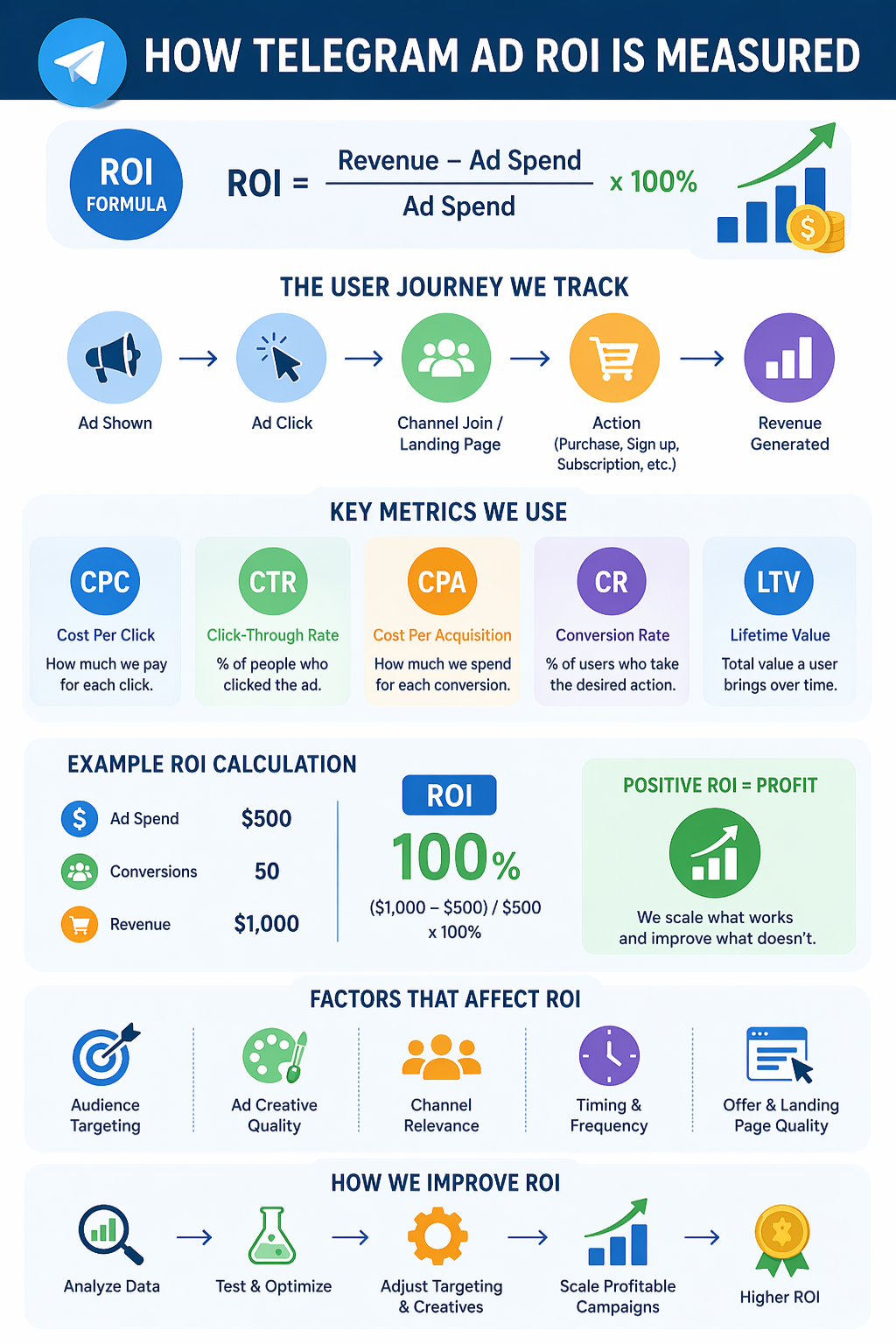
We measure Telegram ad ROI by comparing what we spend on ads with the value we gain from them, such as sales, leads, or subscribers. This process uses clear data like cost per click, conversion rate, and total revenue.
When we track these numbers properly, we understand if our campaigns work or need changes. Keep reading to learn how each metric works and how we apply them in real campaigns.
Key Insights: How Telegram Ad ROI Is Measured
Understanding Telegram ad ROI becomes easier when we focus on a few core ideas that guide every campaign decision we make.
- We calculate ROI by comparing total revenue against total ad spend.
- We track user actions like clicks, joins, and purchases to measure value.
- We improve ROI by testing creatives, targeting, and campaign timing.
What ROI Means in Telegram Advertising

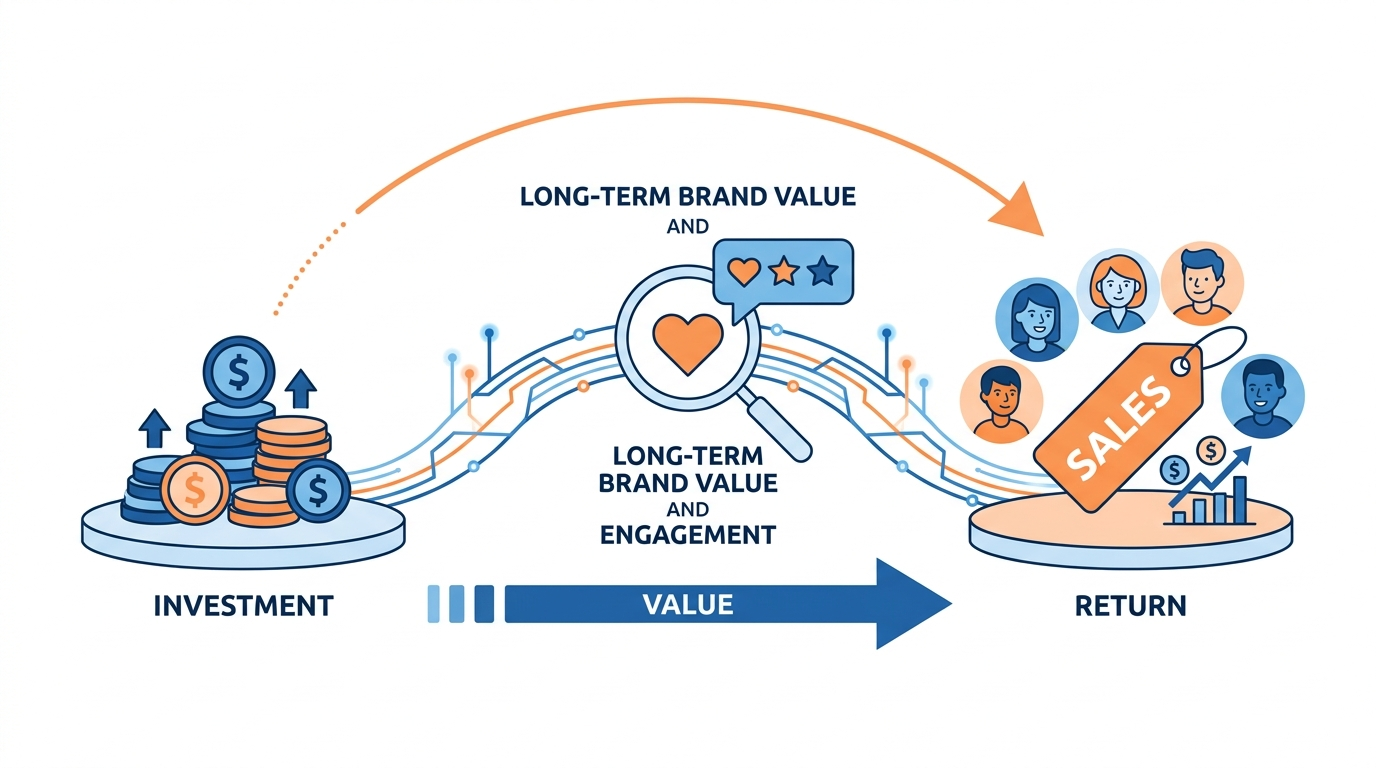
ROI stands for return on investment. It shows how much value we get compared to what we spend on ads. In Telegram advertising, ROI focuses on both direct and indirect results.We do not only look at sales. We also measure subscriber growth, engagement, and long-term value. This is because Telegram channels often build value over time.
“The measurement of marketing ROI in social platforms must transcend immediate transactional data, incorporating the 'Return on Engagement' which accounts for long-term brand equity and the cumulative value of user interactions within the ecosystem.” – Journal of Research in Interactive Marketing
We use a simple formula to calculate ROI and guide our decisions:
ROI = \frac{Revenue - Cost}{Cost}
When ROI is positive, our campaign performs well. When it is negative, we perform a deeper Telegram ad campaign return analysis to adjust strategy and reduce loss.
Core Metrics We Use to Measure ROI
We rely on several metrics to understand performance clearly and establish performance benchmarks for Telegram ads. Each one shows a different part of the user journey.
Before we review the list, we should understand that no single metric tells the full story. We always combine them.
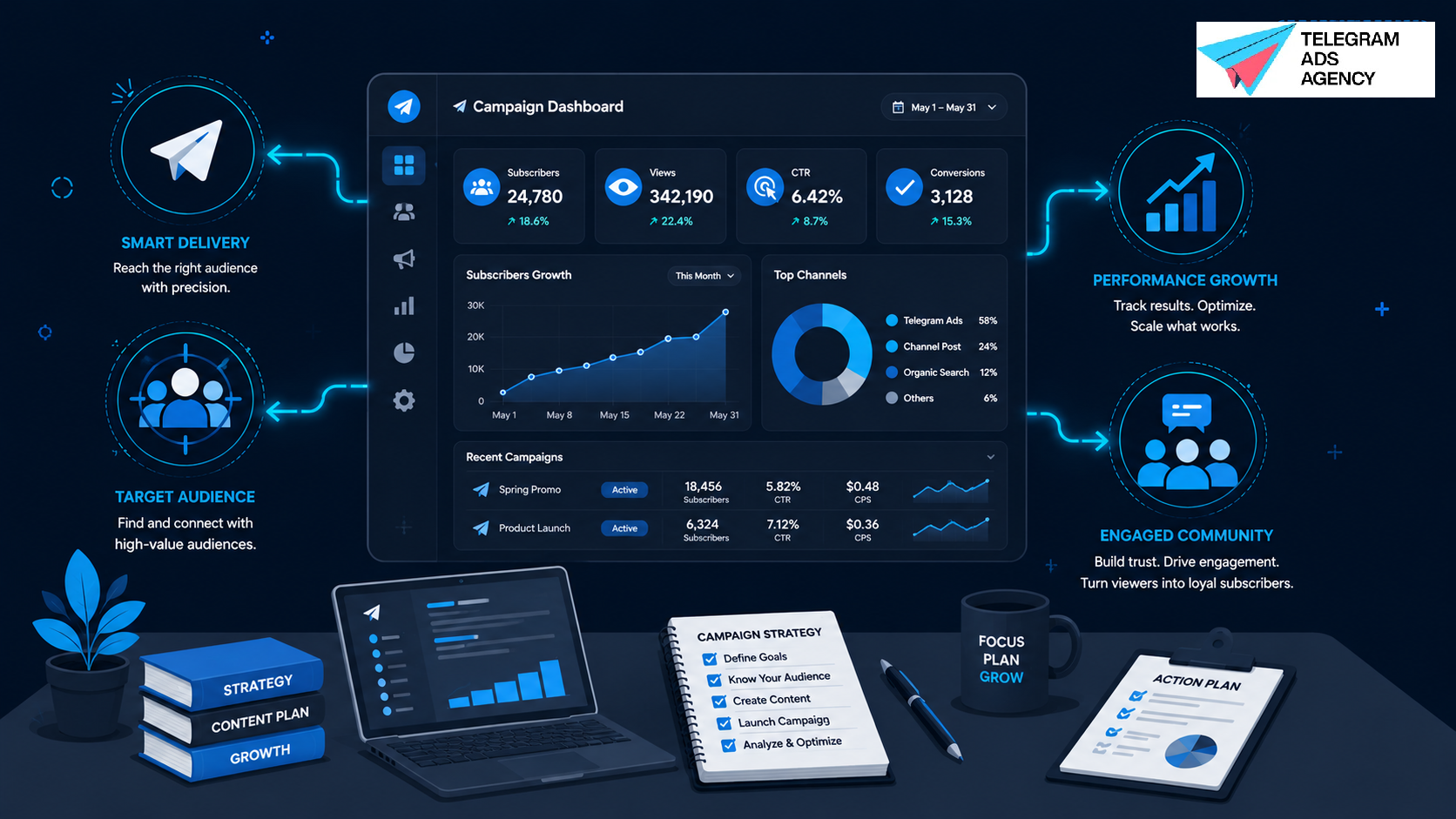
- Cost per Click (CPC): Shows how much we pay for each click.
- Cost per Acquisition (CPA): Measures cost for each conversion or sale.
- Click-Through Rate (CTR): Tells us how many users click after seeing the ad.
- Conversion Rate: Shows how many users complete the desired action.
- Lifetime Value (LTV): Estimates long-term value of each user.
We analyze these metrics together to avoid wrong conclusions from isolated data.
How We Track User Actions in Telegram
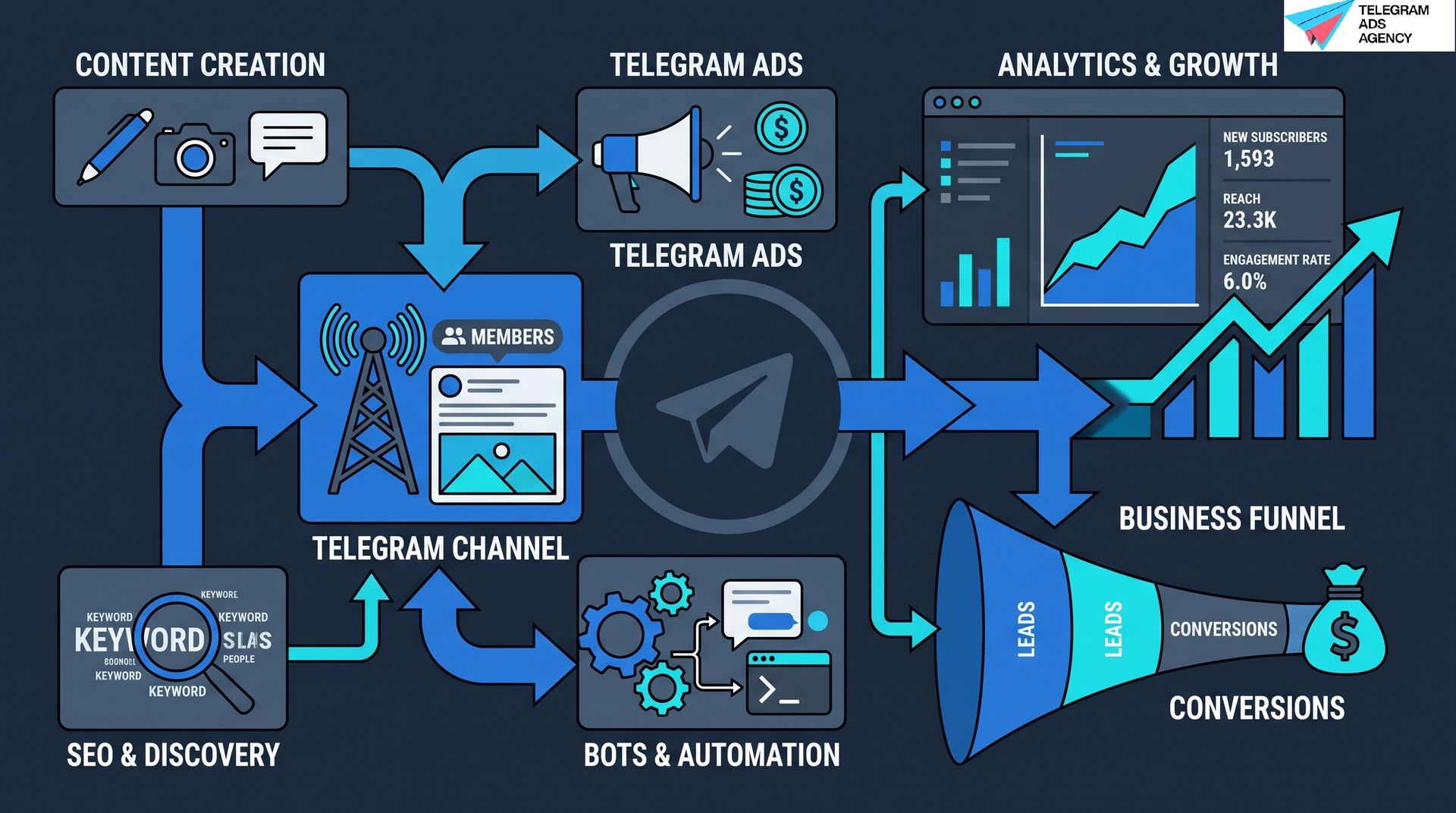
Tracking is the base of accurate measuring Telegram ads campaign ROI. Without tracking, we rely on guesses instead of real data. We use tracking links, bots, and landing pages to monitor user behavior.These tools help us see where users come from and what they do next.
“Precision in attribution modeling within encrypted messaging environments requires a multi-layered tracking approach to mitigate the loss of referral data, ensuring that conversion paths are accurately mapped to specific marketing stimuli.” – Science Direct
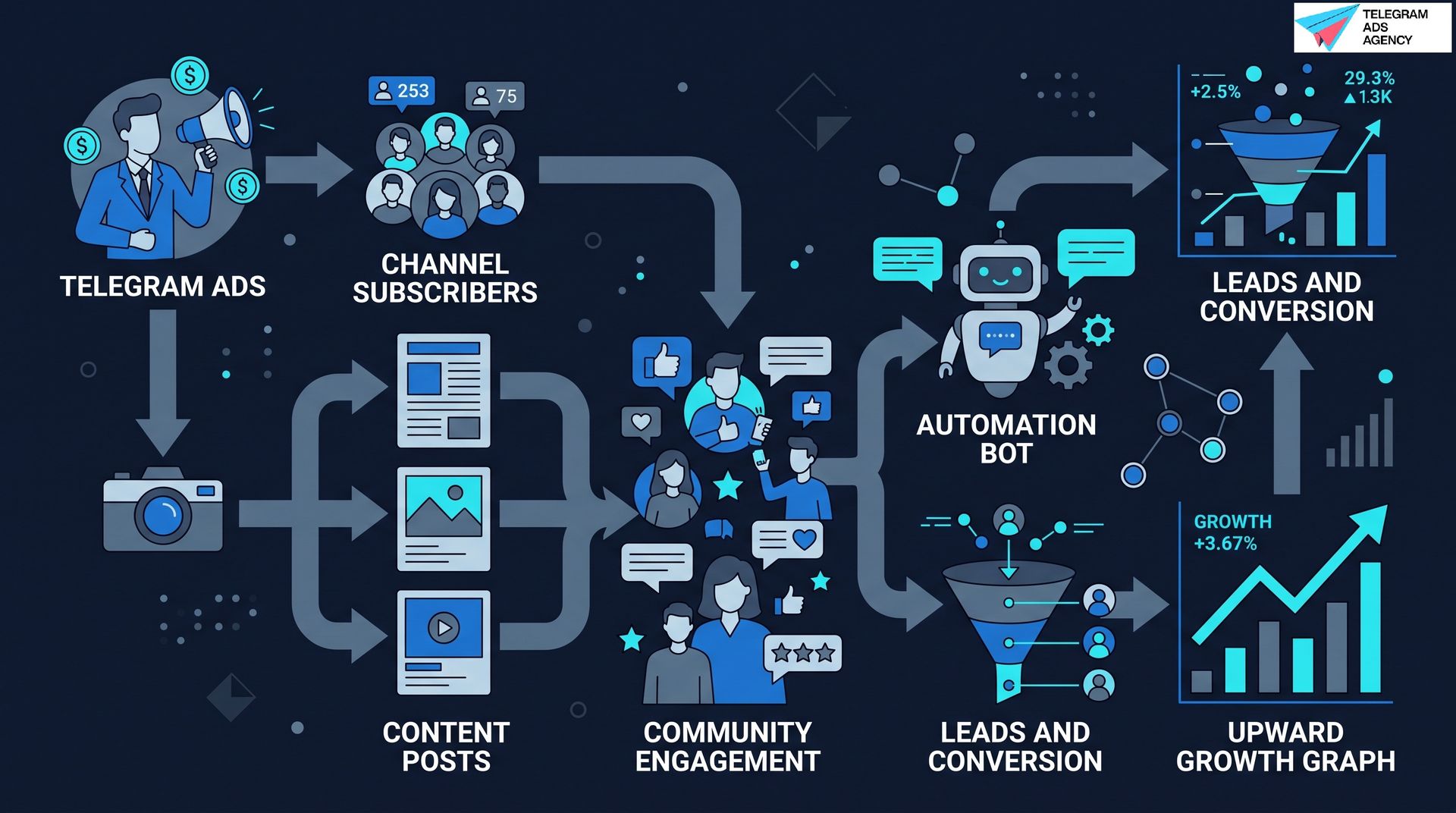
We also track different stages of the funnel. This includes clicks, joins, interactions, and purchases. Each stage gives us useful data. With this approach, we understand which campaigns bring real results instead of just traffic.
Understanding Revenue Sources in Telegram Campaigns
Credits: Girl in Tech
Revenue in Telegram ads does not always come directly after a click. Sometimes users join a channel first and convert later. We divide revenue into direct and indirect types. Direct revenue comes from immediate purchases. Indirect revenue comes from future actions.
Before listing examples, we should remember that Telegram often works as a long-term channel.
- Direct sales from landing pages
- Affiliate earnings from shared links
- Subscription or membership payments
- Product purchases after joining a channel
We include all these sources when calculating total revenue to avoid underestimating ROI.
Example of Telegram Ad ROI Calculation

We use simple calculations to understand campaign performance. This helps us make decisions quickly.
Below is a basic example of how we measure ROI in one campaign.
| Metric | Value |
|---|---|
| Ad Spend | $500 |
| Clicks | 1,000 |
| Conversions | 50 |
| Revenue | $1,000 |
| ROI | 100% |
In this case, we doubled our investment. This means the campaign performed well and may be scaled further.
Factors That Affect Telegram Ad ROI
Several factors influence how well our campaigns perform. We cannot rely on budget alone to improve ROI.
We focus on targeting, message clarity, and timing. These elements directly affect user response.
Before listing them, we should understand that small changes can lead to large improvements.
- Audience targeting accuracy
- Ad creative quality and clarity
- Channel relevance and engagement level
- Posting time and frequency
- Offer strength and landing page quality
We test these factors regularly to find what works best for each campaign.
How We Optimize ROI Over Time
Optimization is not a one-time process. We improve campaigns step by step using data.
We start by analyzing weak points in the funnel. Then we test new ideas to fix them. This includes changing creatives, adjusting targeting, and improving offers.
We also run A/B tests to compare results. This helps us choose better-performing options.
Over time, these small improvements increase efficiency and reduce wasted spend.
Common Mistakes in Measuring Telegram ROI

Many campaigns fail because of incorrect measurement methods. These mistakes lead to poor decisions.
We avoid relying only on surface metrics like clicks or impressions. These numbers do not show real value.
Before listing mistakes, we should remember that clear tracking prevents most issues.
- Ignoring lifetime value of users
- Measuring only short-term results
- Not tracking conversions properly
- Using incomplete or inconsistent data
- Overlooking indirect revenue sources
By avoiding these mistakes, we ensure our ROI calculations stay accurate.
FAQ
How do we measure Telegram ad ROI for long-term campaigns?
We measure long-term Telegram ad ROI by tracking user behavior over time, not just initial actions. We follow users after they join a channel and monitor future purchases, engagement, or subscriptions.
This helps us understand real value beyond first clicks. By combining short-term and long-term data, we get a clearer and more accurate ROI picture.
What tools help us measure Telegram ad ROI accurately?
We use tracking links, analytics dashboards, and conversion tracking systems to measure Telegram ad ROI. These tools help us follow user actions from click to final result. We also use bots or landing pages to collect data. With consistent tracking, we reduce guesswork and rely on real numbers for better campaign decisions.
Why does Telegram ad ROI change between campaigns?
Telegram ad ROI changes because of differences in audience, timing, and ad content. Each campaign targets different users with different behaviors.
Some audiences convert faster, while others take more time. Small changes in message or targeting can also affect results. This is why we test campaigns regularly to understand what performs better.
How do we measure Telegram ad ROI without direct sales?
We measure Telegram ad ROI without direct sales by focusing on actions like channel joins, clicks, and engagement. These actions show user interest and future potential value. We assign estimated value to each action based on past data. This approach helps us understand ROI even when sales do not happen immediately.
Final Thought: How Telegram Ad ROI Is Measured
We measure Telegram ad ROI by tracking spending, user actions, and total value generated over time. This method helps us identify what works and where adjustments are needed for better performance. Consistent tracking and clear metrics allow us to improve efficiency and reduce wasted budget.
To apply these strategies with structured support, we can work with Telegram Ads Agency, which focuses on data-driven campaigns, targeting accuracy, and measurable growth across Telegram channels.
References
- https://www.emerald.com/insight/publication/issn/2040-7122
- https://www.sciencedirect.com/journal/international-journal-of-information-management