Expected ROI from Telegram Ads: What Businesses Can Realistically Achieve
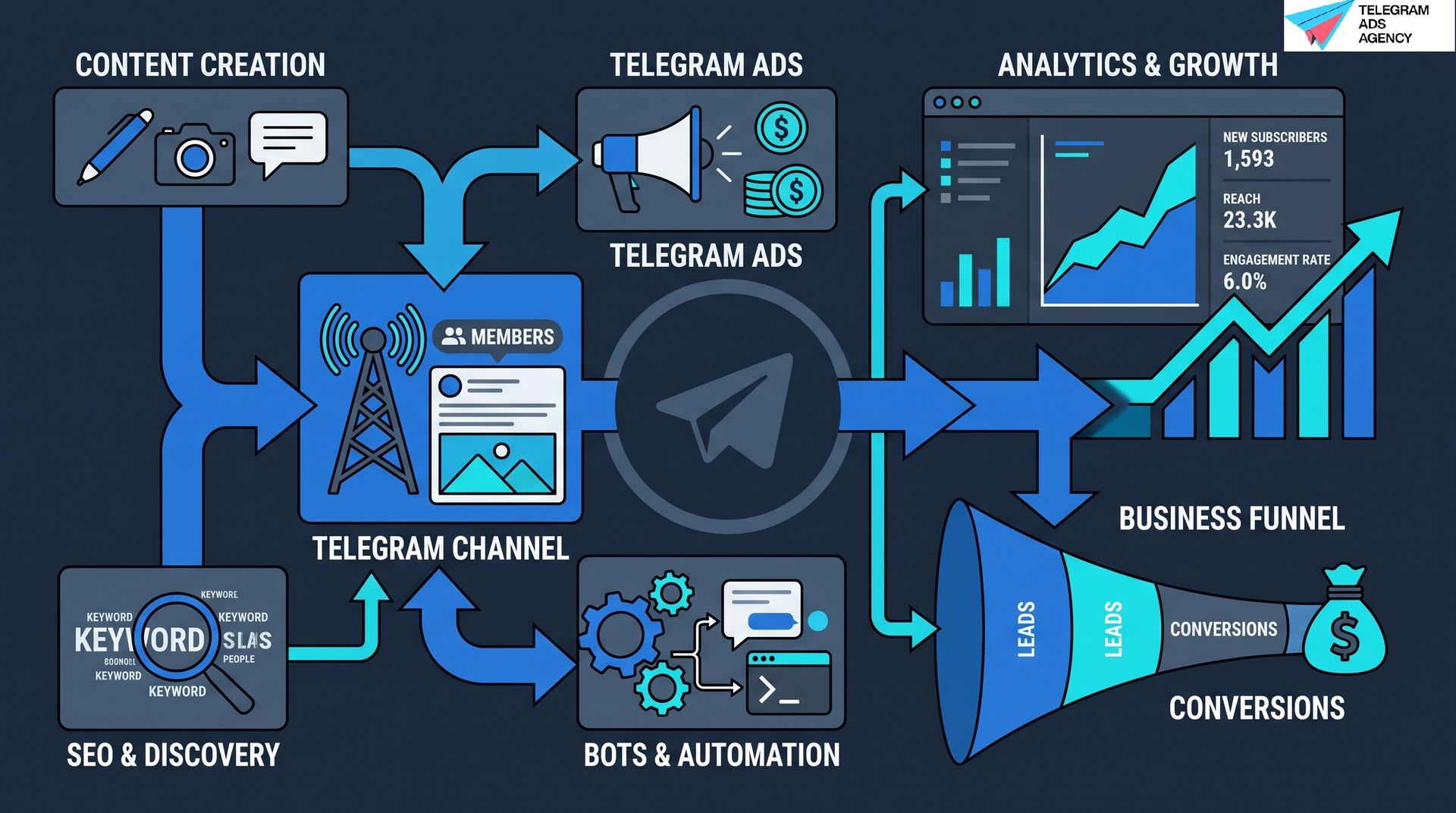
Telegram Ads can deliver measurable returns when we align targeting, message, and funnel in a clear structure. Expected ROI from Telegram Ads is not fixed because results depend on audience quality, offer strength, and tracking setup. Some campaigns focus on subscriber growth, while others focus on direct conversions like sales or leads.
We need to evaluate both short-term and long-term outcomes to understand real performance. In this article, we explain realistic ROI ranges, key factors that influence results, and practical ways we can improve campaign performance step by step. Continue reading to understand how Telegram Ads ROI works in real campaign settings.
Understanding Telegram Ads ROI Expectations
We first highlight the main points so we can understand the core idea before going deeper into details. We use these points to guide our expectations and campaign decisions in Telegram Ads planning.
- ROI depends on targeting, offer quality, and funnel structure
- Results can range from negative returns to 400%+ in optimized campaigns
- Tracking systems are needed to measure real performance correctly
Understanding Expected ROI

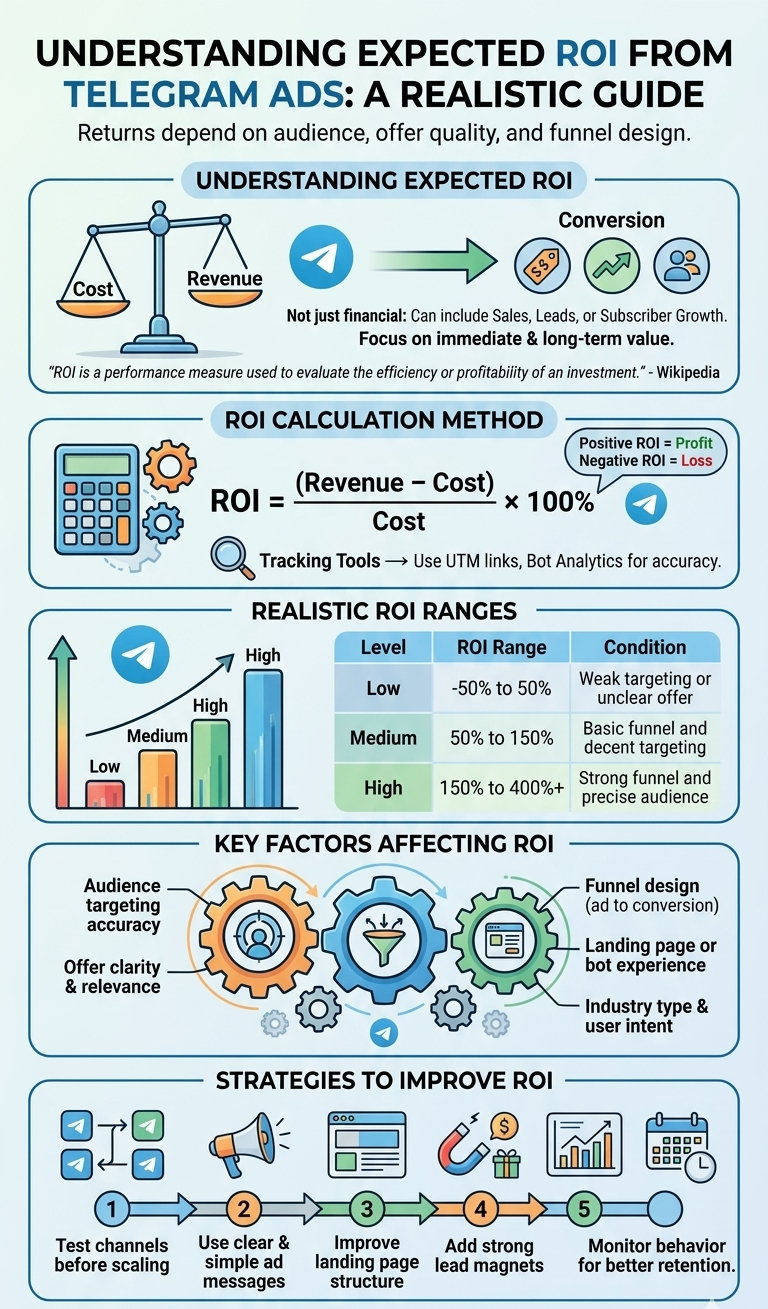
We define ROI in Telegram Ads as the return compared to total advertising cost. This can include sales, leads, or subscriber growth depending on campaign goals. Telegram works as a community platform, so engagement often influences conversion outcomes.
“ROI is a performance measure used to evaluate the efficiency or profitability of an investment.” - Wikipedia
We also see ROI as a mix of immediate and long-term results. Some users convert quickly, while others need more time inside channels or bots before taking action.
We group ROI into simple types:
- Direct ROI from sales or sign-ups
- Indirect ROI from engagement and growth
- Long-term ROI from repeat conversions
We track both financial and behavioral outcomes to understand full performance.
ROI Calculation Method
Credits: Girl in Tech
We calculate ROI using a simple formula that helps us measure profit or loss clearly. This applies to all Telegram Ads campaigns regardless of size or niche.
We use this method to compare spending with revenue results and make better decisions.
We calculate ROI using this structure:
- ROI = (Revenue – Cost) ÷ Cost × 100%
- Positive ROI means profit from ads
- Negative ROI means loss from ads
We rely on tracking tools like UTM links and bot analytics for measuring campaign ROI accurately. Without tracking, ROI becomes unclear and difficult to improve.
Expected ROI Ranges
We see different ROI outcomes depending on campaign optimization level and established performance benchmarks. These ranges help us set realistic expectations before starting campaigns.
We separate performance into three general categories based on setup quality and funnel strength.
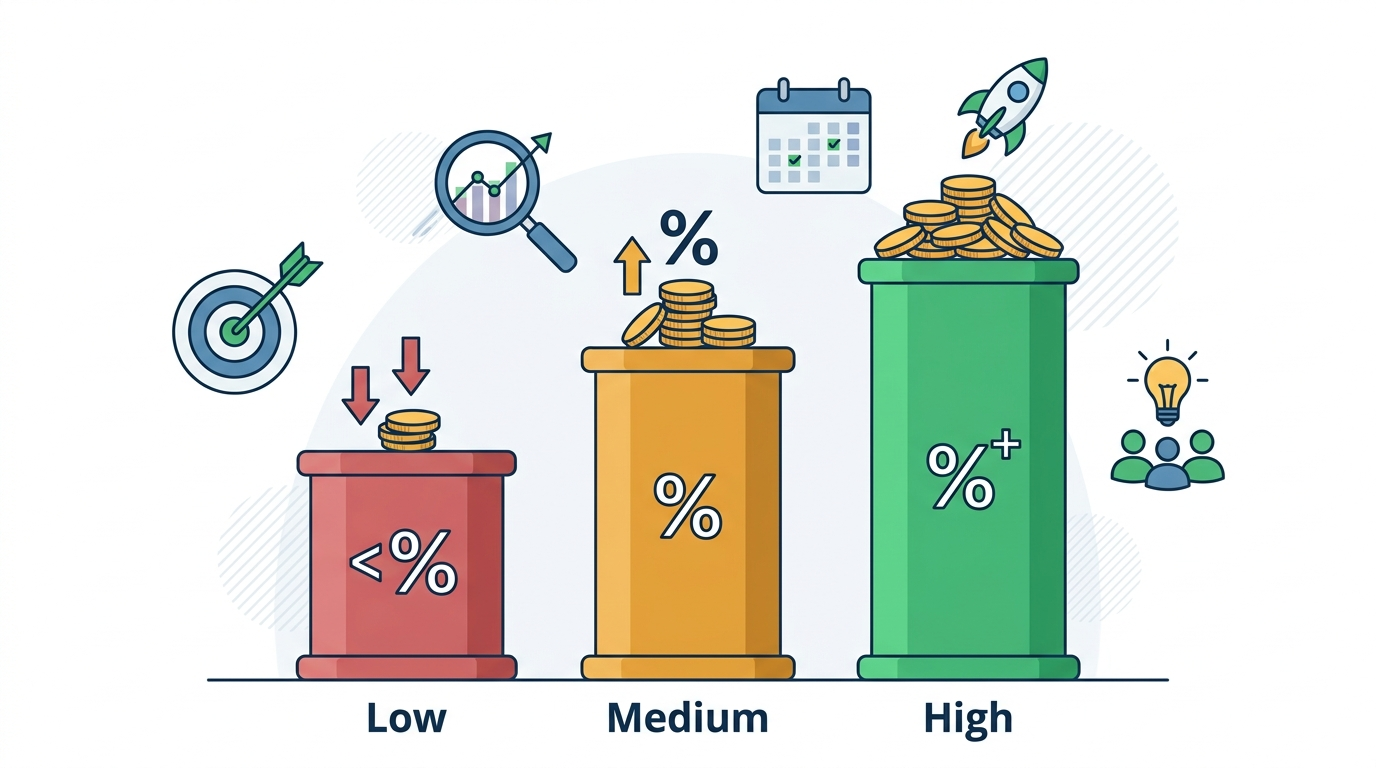
We observe these typical ranges:
| Level | ROI Range | Condition |
|---|---|---|
| Low | -50% to 50% | Weak targeting or unclear offer |
| Medium | 50% to 150% | Basic funnel and decent targeting |
| High | 150% to 400%+ | Strong funnel and precise audience |
We use this table to understand performance direction and identify areas for improvement.
Key Factors That Affect ROI

We identify several main factors that influence ROI in Telegram Ads. These factors determine how well users respond to campaigns and whether they convert.
We focus on both audience behavior and campaign structure when analyzing results.
We list key factors:
- Audience targeting accuracy
- Offer clarity and relevance
- Funnel design from ad to conversion
- Landing page or bot experience
- Industry type and user intent
We adjust campaigns based on these elements to improve performance step by step.
Challenges in Measuring ROI
We face tracking limitations in Telegram Ads because the platform does not provide full conversion tracking like other ad systems.
We rely on external tools to measure performance across different stages of the funnel.
We commonly use:
- UTM links for traffic tracking
- Bot analytics for user actions
- Landing pages for conversion data
We combine these tools to build a clearer view of campaign performance through detailed campaign return analysis. Without proper tracking, ROI estimation becomes less accurate.
Strategies to Improve ROI

We improve ROI by refining targeting, messaging, and funnel structure. Small changes in setup often lead to better performance over time.
“Marketing ROI measures the return generated from marketing activities relative to their cost.” - Science Direct
We focus on testing and adjusting campaigns regularly instead of relying on one setup.
We apply these strategies:
- Test different Telegram channels before scaling
- Use clear and simple ad messaging
- Improve landing page structure
- Add strong lead magnets
- Review campaign data weekly
We also monitor user behavior after joining to improve retention and conversion flow.
FAQ
What is expected ROI from Telegram Ads in real campaigns?
Expected ROI from Telegram Ads depends on targeting, offer, and funnel setup. In real campaigns, we often see a wide range of results. Some campaigns may lose budget at the start, while better optimized campaigns can bring positive returns.
ROI is not fixed because user behavior in Telegram communities changes based on niche and content quality.
How do we measure ROI from Telegram Ads accurately?
We measure ROI from Telegram Ads by comparing total revenue with total ad cost. We track user actions using UTM links, landing pages, and bot activity. Without tracking tools, it becomes difficult to know which users actually convert.
Accurate measurement helps us understand which channels and messages bring better results and which ones need improvement.
Why does ROI from Telegram Ads vary so much between campaigns?
ROI varies because every Telegram audience behaves differently. Some groups are highly active and responsive, while others are passive. Offer strength, message clarity, and funnel design also affect results.
Even small changes in targeting or content can shift performance. This is why we always test different setups before scaling any campaign.
What affects conversion rates in Telegram Ads campaigns?
Conversion rates depend on how relevant the ad is to the audience. If the message matches user interest, more people take action. Funnel simplicity also matters. When users face fewer steps from ad to conversion, results improve. Poor landing pages or unclear instructions often reduce conversion rates even if traffic is high.
Improving ROI from Telegram Ads Campaigns
We understand that expected ROI from Telegram Ads depends on how well we design targeting, offers, and funnels. Results can range from losses to high returns when campaigns are properly optimized and tracked.
We focus on testing, measurement, and continuous improvement to build stable performance over time. With consistent optimization, Telegram Ads can become a reliable channel for growth and conversions. For structured campaign setup and expert support, we can explore Telegram Ads Agency for data-driven campaign management and optimization.
References
- https://en.wikipedia.org/wiki/Return_on_investment
- https://www.sciencedirect.com/topics/marketing/marketing-return-on-investment
Related Articles

- https://www.telegramads.agency/measuring-telegram-ads-campaign-roi
- http://www.telegramads.agency/telegram-ad-campaign-return-analysis
- http://www.telegramads.agency/performance-benchmarks-for-telegram-ads