Telegram Ad Campaign Return Analysis: A Practical Guide
Telegram ad campaign return analysis means we measure how much value we get compared to what we spend on Telegram ads. We focus on clear data such as revenue, subscriber growth, and user actions to understand results. This process helps us decide whether our advertising campaigns are working or need changes.
We use simple tracking methods and performance metrics to make better decisions over time. Without proper analysis, we may spend money without clear results. Keep reading to understand how we can measure and improve our campaign returns step by step.
Telegram Ad Return Analysis Essentials
Clear return analysis helps us make better decisions and avoid wasting budget on campaigns that do not perform well over time.
- We track costs, conversions, and revenue to measure real campaign results
- We use performance metrics like CTR and CPA to understand effectiveness
- We optimize campaigns based on data, not assumptions
Understanding Telegram Ad Campaign Returns

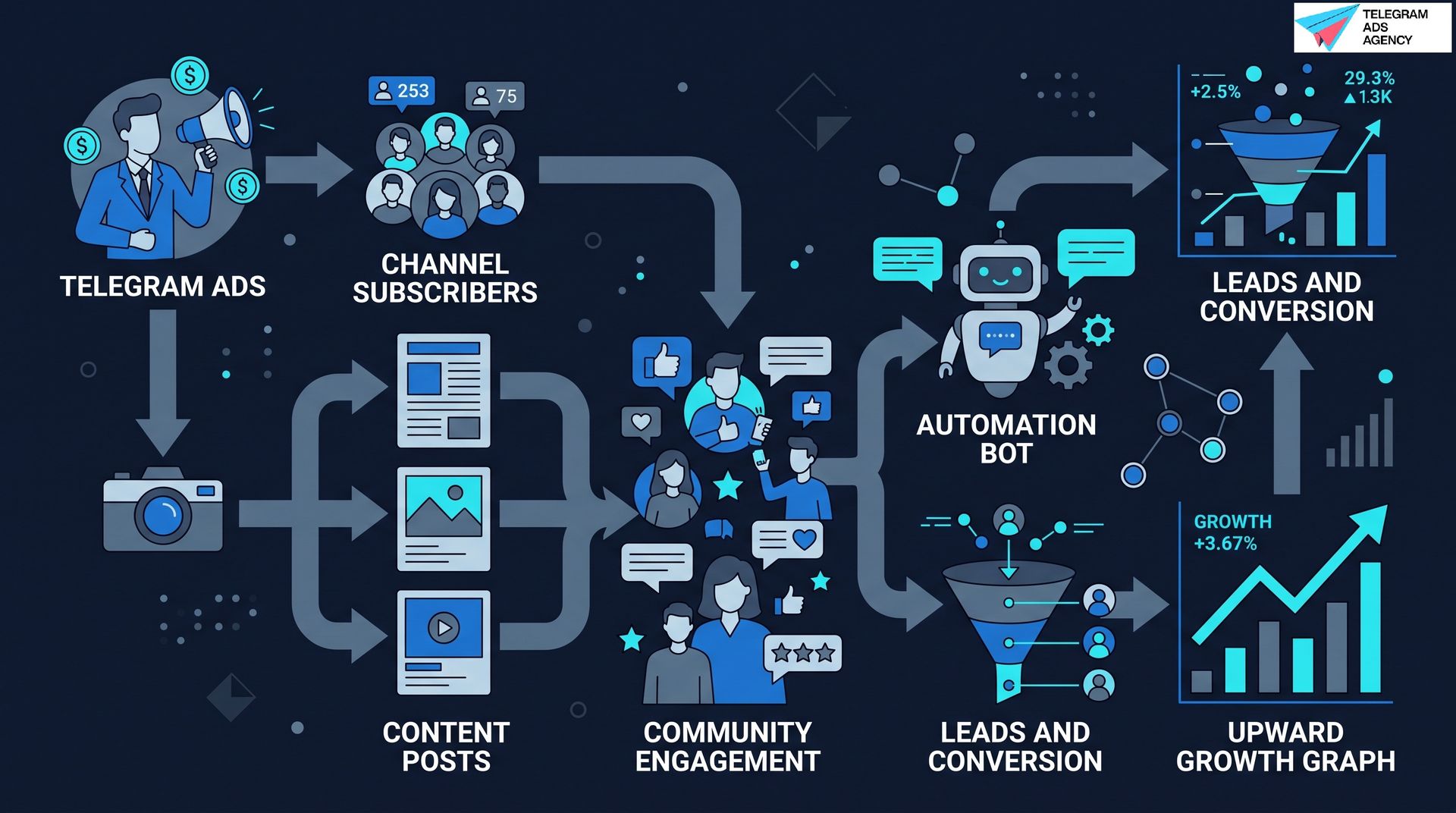
Telegram ad campaign returns show how much benefit we get from our advertising efforts. We compare total cost with results such as clicks, conversions, or subscriber growth.
We often focus on outcomes like Subscriber Count, audience engagement, and revenue. These results depend on content quality, targeting options, and the chosen traffic channel.
Return analysis also depends on how we define success. For some campaigns, growth in a Telegram Channel matters more than direct sales. For others, conversions from a Telegram Bot or website are the main goal.
Core Metrics for Performance Measurement
We rely on specific metrics to measure success to understand how our campaigns perform across different Telegram Ad Formats and audience segments over time. We measure both cost and results. Metrics like Cost Per Mille (CPM model), Cost Per Acquisition, and click rates help us evaluate efficiency.
“Marketing performance measurement links marketing activities to financial outcomes and customer behavior.” - AMA
We also track engagement metrics such as post views, reactions, and shares. These show how users respond to our content.
- Cost Per Mille (CPM model) to track cost per thousand views
- Click-through rate to measure user interest
- Conversion rate to track completed actions
- Subscriber Count to monitor channel growth
- Engagement metrics for audience interaction
These metrics give us a clear view of campaign performance.
ROI Calculation and Example
Credits: Girl in Tech
We focus on calculating ROI to understand if our Telegram ads generate profit compared to the money we spend on each campaign.
ROI = \frac{Revenue - Cost}{Cost} \times 100%
We use this formula to compare revenue and cost. If the result is positive, our campaign is profitable.
For example, if we spend $200 and generate $500, the return is positive. This helps us decide whether to scale or adjust the campaign.
We repeat this process across different ad formats like sponsored messages and embedded banners to find the most effective approach.
Types of Telegram Ad Formats

Telegram offers different ad formats that affect how users interact with content and how we measure returns from campaigns.
Each format has a different impact on audience engagement. Some formats focus on visibility, while others drive direct action.
We choose formats based on campaign goals and target audience behavior.
- Sponsored messages inside Telegram App channels
- Embedded banners placed in content feeds
- Push-style ads for direct visibility
- Interstitial ads for full-screen exposure
- Playable ads for interactive engagement
We test multiple Telegram Ad Formats to find what works best for our audience.
Audience Targeting and Segmentation
We improve campaign returns by focusing on the right target audience using available targeting options and audience targeting strategies.
“Targeted advertising improves campaign effectiveness by delivering relevant messages to specific audience segments.” - Journal of Advertising Research
We segment users based on interests, behavior, and location. Language filters and Telegram Premium status can also affect targeting accuracy.
We also consider subscriber base quality when selecting channels or Key Opinion Leaders for influencer marketing.
- Use language filters to match user preferences
- Select channels with strong audience engagement
- Avoid Spam-like patterns in targeting
- Focus on relevant traffic potential
- Test different audience segments
Better audience targeting leads to stronger results and lower costs.
Campaign Lifecycle and Optimization
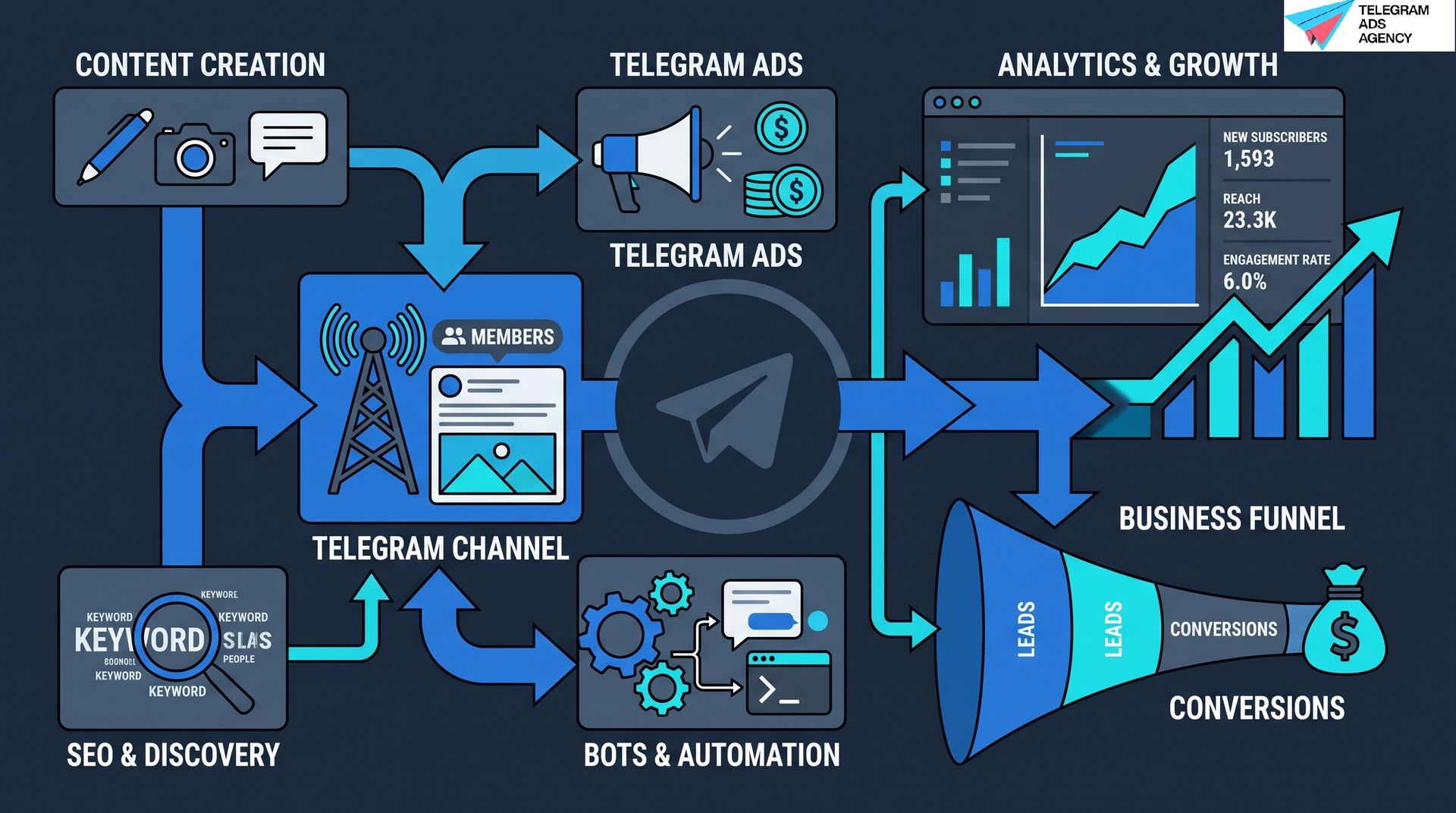
Every campaign follows a lifecycle, and we improve returns by adjusting each stage based on real performance data and user behavior patterns.
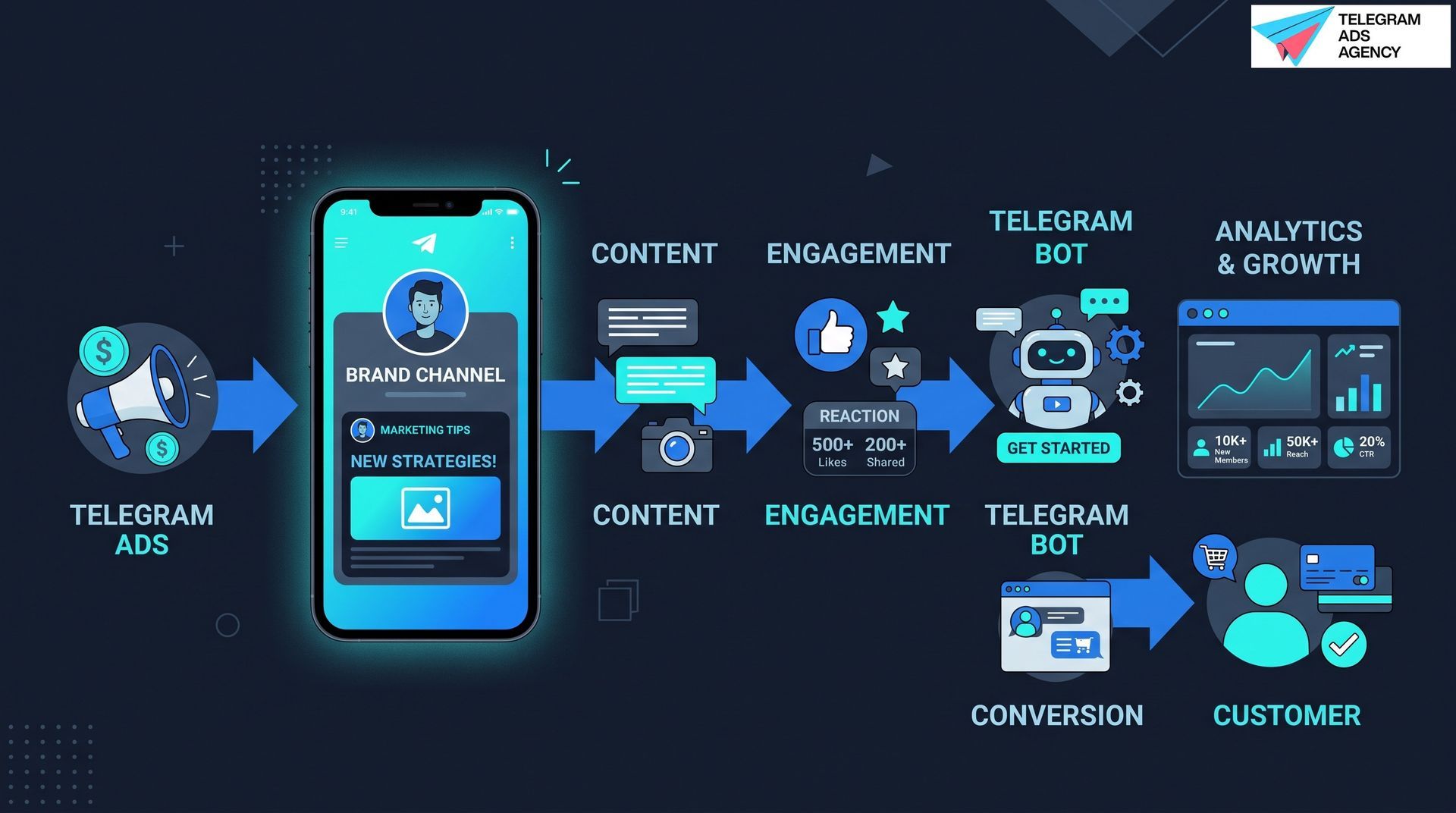
We start with planning, then launch ads, track results, and optimize based on analytics tools; each step affects the final measuring of campaign ROI.
We use Telegram Analysis and analytics integrations to monitor View Patterns and user actions.
- Plan content formats and messaging
- Launch ads across selected traffic channels
- Monitor performance metrics daily
- Adjust budget and targeting options
- Scale high-performing campaigns
This cycle helps us maintain consistent performance improvement.
Analytics Tools and Tracking Methods
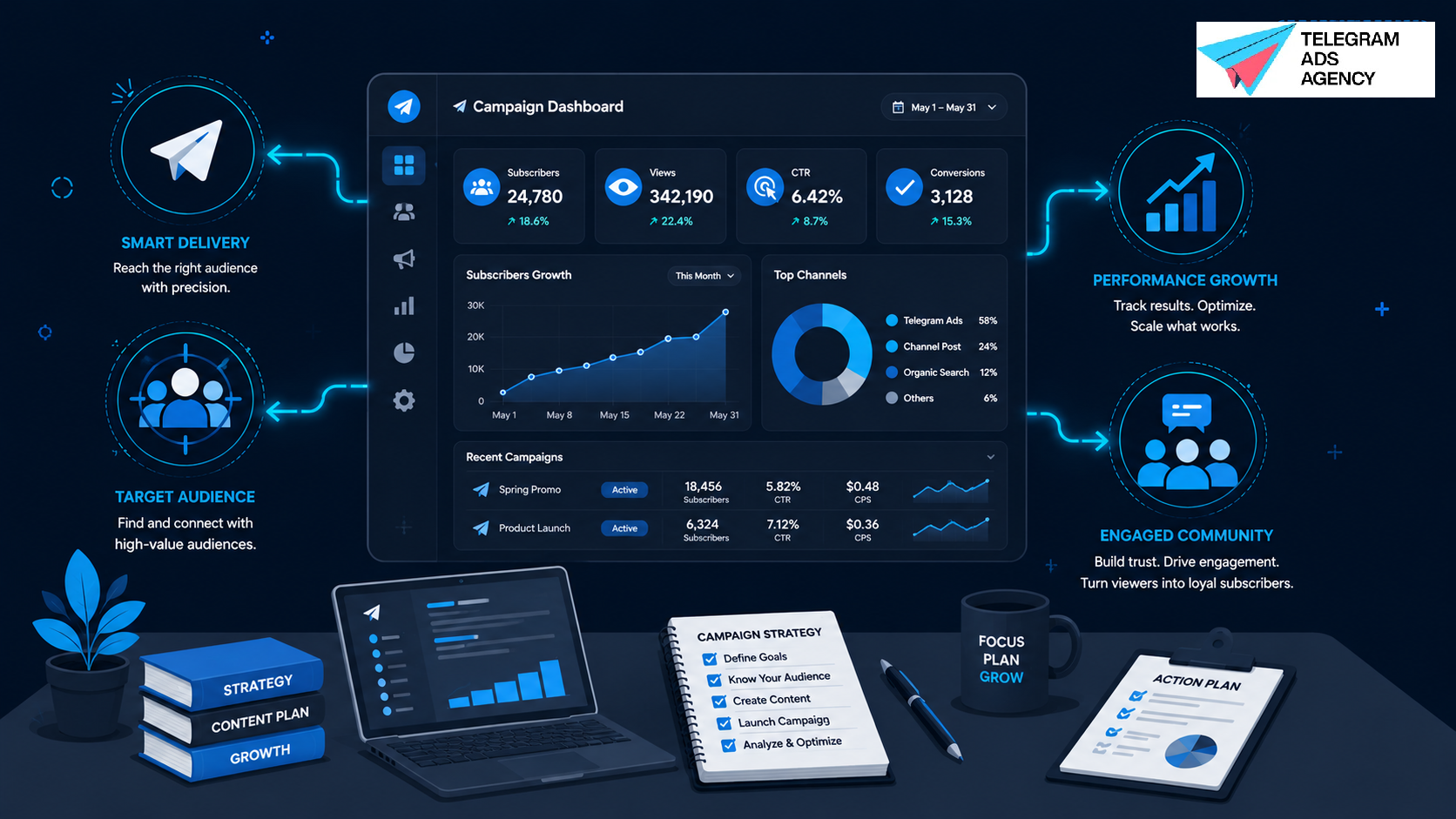
We depend on analytics tools to measure campaign performance and understand how users interact with our ads across different traffic channels.
Telegram provides limited native data, so we often use external analytics integrations. These tools help track clicks, conversions, and engagement metrics.
We also use tracking links and Telegram Bot systems to capture user actions. This improves performance measurement accuracy.
| Metric Type | Purpose | Example Use Case |
|---|---|---|
| Engagement Metrics | Measure user interaction | Post views, reactions |
| Conversion Metrics | Track completed actions | Purchases, sign-ups |
| Traffic Metrics | Analyze user flow | Clicks from ads |
| Audience Metrics | Understand user base | Subscriber Count |
These tools support better decision making.
Common Challenges in Return Analysis
We face several challenges when analyzing returns from Telegram ads due to limited tracking systems and indirect user behavior patterns. We may not always see direct conversions because users often act later. This makes attribution more difficult.
We also need to filter out low-quality traffic from NSFW chats or unrelated channels. Security services and security solutions help reduce risks like online attacks or malformed data.
- Limited built-in analytics in Telegram App
- Delayed conversions from users
- Spam-like patterns affecting data
- Low-quality traffic channels
- Tracking gaps across ad network systems
We address these issues with consistent monitoring and data validation.
Best Practices for Improving Returns

We improve campaign returns by focusing on data, content quality, and continuous testing across different advertising methods and audience segments. We create clear content plans and test different content formats. This helps us understand what drives engagement and conversions.
We also monitor wallet balance indicators and adjust budgets carefully to avoid overspending.
- Maintain high content quality in every ad
- Test multiple Telegram Ad Formats
- Focus on relevant target audience segments
- Track performance metrics regularly
- Optimize based on real data
Consistent improvement leads to better campaign performance.
FAQ
How do we track ROI in Telegram ad campaign return analysis accurately?
We track ROI in Telegram ad campaign return analysis by comparing total spend with revenue from advertising campaigns. We use analytics tools, tracking links, and Telegram Bot systems to measure conversions.
Monitoring performance metrics like Cost Per Mille, clicks, and engagement metrics helps us understand results. Consistent performance measurement ensures we see which Telegram ads bring real value over time.
What targeting options improve results in Telegram ads for better returns?
We improve results by using strong audience targeting and clear targeting options. We focus on the right target audience based on interests, location, and language filters. Using Telegram Premium status and behavior data helps refine segments.
Better audience engagement comes from matching content formats with user expectations. This approach increases conversion chances and improves overall campaign return analysis results.
How do different Telegram Ad Formats affect campaign performance outcomes?
Different Telegram Ad Formats impact how users interact with ads and affect performance metrics. Sponsored messages, embedded banners, and push-style ads each serve different goals. Some formats increase visibility, while others drive conversions.
Testing ad formats helps us find the best fit for our target audience. This improves engagement metrics and supports better return analysis in advertising campaigns.
How can we measure audience engagement beyond Subscriber Count in Telegram Channel campaigns?
We measure audience engagement by tracking more than Subscriber Count. Engagement metrics like views, clicks, shares, and reactions show real interaction levels. Telegram Analysis tools help us study View Patterns and user behavior.
We also review how users interact with content in a Telegram Channel. This gives a clearer picture of campaign effectiveness and supports better decision-making.
Improving Telegram Ad Campaign Returns
Telegram ad campaign return analysis helps us understand performance and improve results through clear data and consistent optimization. We rely on performance metrics, audience targeting, and structured testing to increase efficiency over time.
To strengthen our campaigns and achieve better ROI, we can work with experts who focus on data-driven Telegram growth strategies. Learn more at Telegram Ads Agency for structured campaign support and measurable results.
References
- https://www.ama.org
- https://www.journalofadvertisingresearch.com